
 Back to List
synonym: Ranunculaceae Anemone pulsatilla L. Sp. Pl. 1: 539. 1753 [1 May 1753]
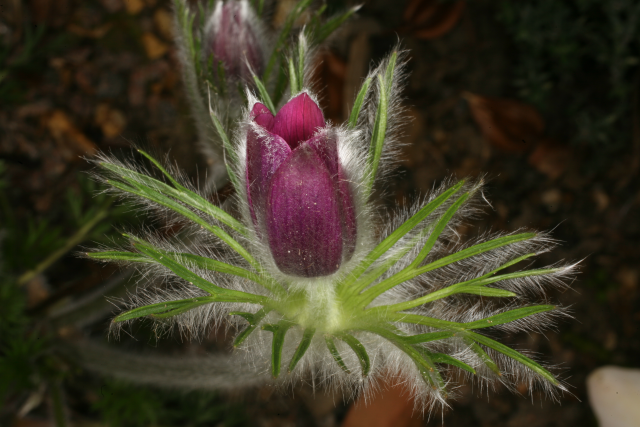
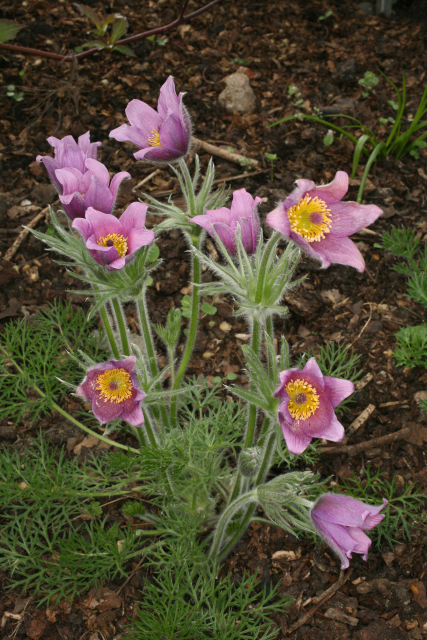
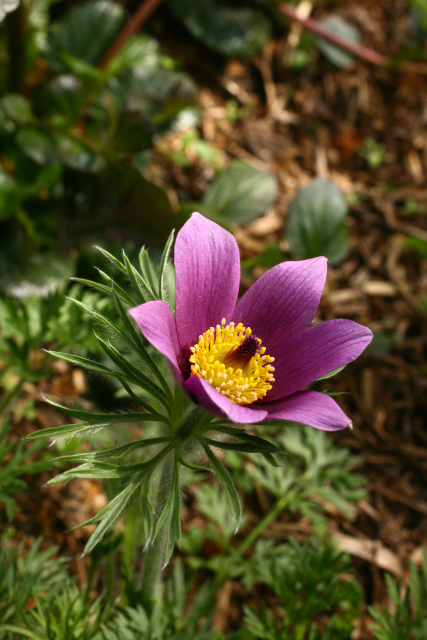
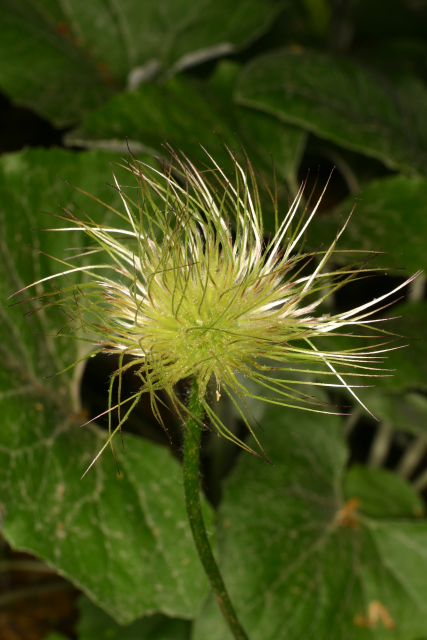
Pulsatilla vulgaris Mill. Ranunculaceae Pasque flower. Distribution: Europe. Lindley (1838) and Woodville (1790) knew this as Anemone pulsatilla, the common name being Pasque (Easter) Flower. At the end of the 18th century it was recommended for blindness, cataracts, syphilis, strokes and much more, treatments which, as was clear to physicians at the time, were valueless. Gerard (1633) writes: ‘They serve only for the adorning of gardens and garlands, being floures of great beauty’. It is in the buttercup family, Ranunculaceae, all members of which are poisonous. It was recommended, by mouth, for ‘obstinate case of taenia’ (tapeworms). One hopes it was more toxic to the worm than the patient. Flowers with a central disc and radiating florets were regarded as being good for eye complaints under the Doctrine of Signatures. Porta (1588) writes (translated): ‘Argemone [Papaver argemone], and anemone, have flowers of this shape, from this they cure ulcers and cloudiness of the cornea’. There were occupational diseases even before there were words like pneumoconiosis, and Lindley (1838) writes that ‘the powder of the root causes itching of the eyes, colic and vomiting, if in pulverising it the operator do not avoid the fine dust which is driven up.’
Oakeley, Dr. Henry F. (2013). Wellcome Library notes. Link
Traditional Herbal Medicine Registration (THMR).
Like other Ranunculaceae the rhizome especially contains terpene saponins that can cause diarrhoea and vomiting in man and animals if ingested. Rare cause of skin allergy.
Professor Anthony Dayan, 2022
Europe, Northern Europe, Denmark
Europe, Northern Europe, Sweden
Europe, Northern Europe, Great Britain
Europe, Middle Europe, Austria
Europe, Middle Europe, Belgium
Europe, Middle Europe, Poland
Europe, Southeastern Europe, Yugoslavia
Europe, Southwestern Europe, France
Europe, Middle Europe, Czech Republic
Europe, Middle Europe, Germany
Europe, Middle Europe, Hungary
Europe, Middle Europe, Poland
Europe, Eastern Europe, Ukraine
Europe, Southeastern Europe, Romania
.JPG)


