 Back to List
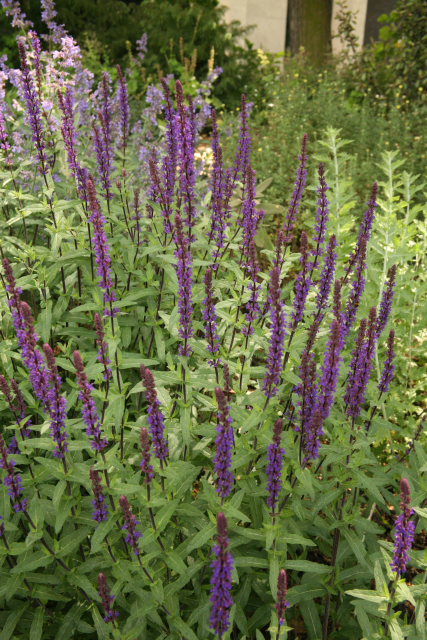
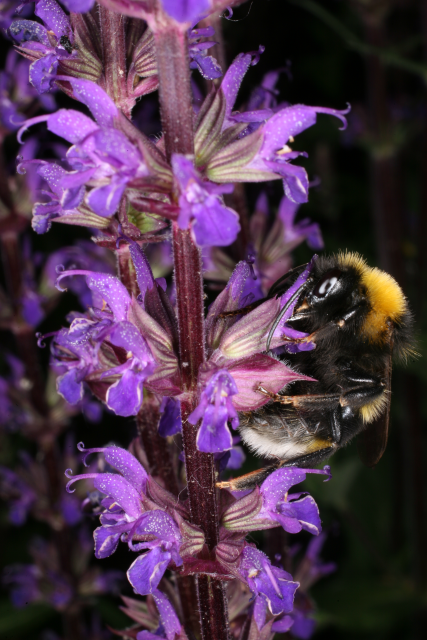
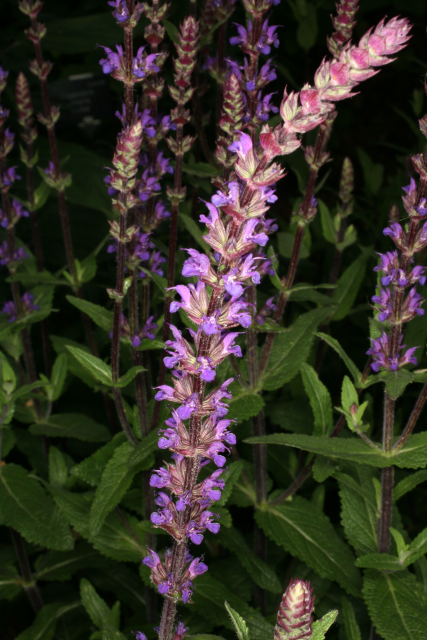
Salvia nemorosa L. Lamiaceae Woodland sage. Balkan clary Distribution: Central Europe, Western Asia. Most of the historical medicinal literature is on common sage, Salvia officinalis. The name Salvia meaning 'healthy'. Elizabeth Blackwell (1737) wrote that it had '... all the noble Properties of the other hot Plants; more especially for the Head, Memory, Eyes, and all Paralytical Affections. In short, 'tis a Plant endu'd with so many and wonderful Properties, as that the assiduous use of it is said to render Men Immortal" with which Hans Sloane agreed. Linnaeus (1782) also: 'Timor, Languor, Leucorrhoea, Senectus [fear, tiredness, white vaginal discharge, old age]'. Its health giving and immortality conferring properties were recorded in the aphorisms of the School of Salerno (fl 9-13th century) - quoted in the Decameron [ c.1350, translated: Why should man die when Salvia grows in the Garden']. Some salvias, such as Salvia divinorum contain hallucinogenic compounds.
Oakeley, Dr. Henry F. (2013). Wellcome Library notes. Link
syn. Salvia x sylvestris 'Caradonna'
These notes refer to the related species S. hispanica which has been used in traditional medicine. Traditionally seeds have been used as a food, in a wide range of folk medicines, primary cosmetics and a part of religious rituals in pre-Columbian societies (Craig 2004).
https://www.ncbi.nlm.nih.gov https://www.ncbi.nlm.nih.gov/pmc/articles/PMC4926888/#:~:text=Chia%20(Salvia%20hispanica%20L.),folk%20medicines%2C%20food%20and%20canvases.
Asia-Temperate, Caucasus
Asia-Temperate, Middle Asia
Asia-Temperate, Siberia
Asia-Temperate, Western Asia, Turkey
Europe, Eastern Europe
Europe, Middle Europe
Europe, Southeastern Europe
Europe, Southwestern Europe
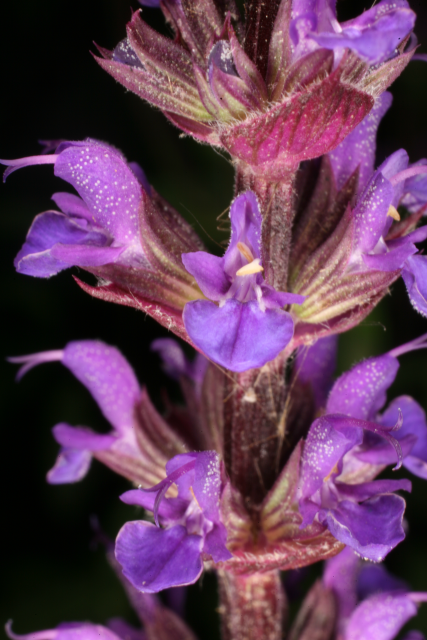
.JPG)


