 Back to List
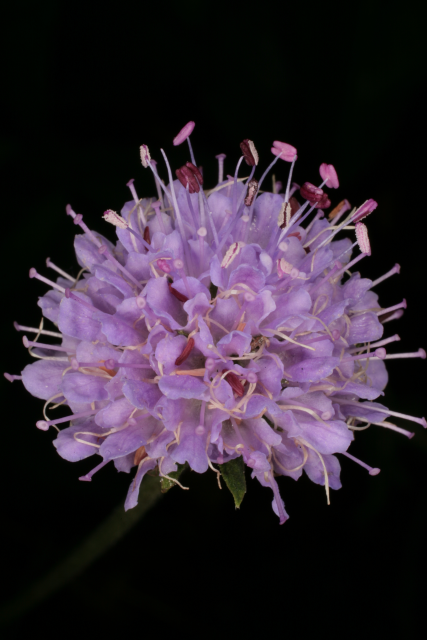
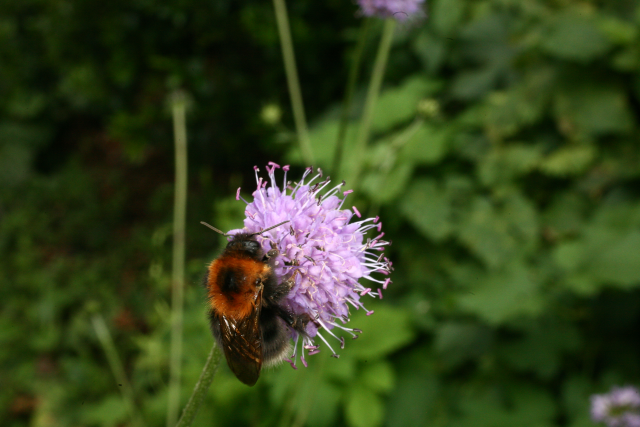
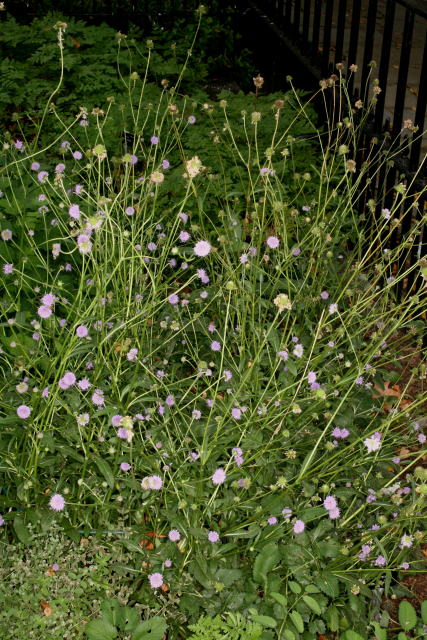
Succisa, Morsus diobolo, Devil’s Bit; Blue Buttons
Oakeley, Dr. H. F. . (2013). The Gardens of the Pharmacopoeia Londinensis. Link
Family changed from Dipsacaceae to Caprifoliaceae.
Plants of the World online, Kew Science http://plantsoftheworldonline.org/taxon/urn:lsid:ipni.org:names:320331-1 Link
Succisa chosen as the PL name. 03/03/2021 AT
Culpeper: under ‘Herbs’ he writes: ‘Succisa, Morsus diobolo, Devil’s Bit. Inwardly taken it easeth the fits of the mother, and breaks wind, taketh away the swellings in the mouth, and slimy phlegm that sticks to the jaws, neither is there a more present remedy in the world, for those cold swellings of the neck, which the vulgar call the Almonds of the neck than this herb bruised and applied to them.
Culpeper, Nicholas. (1650). A Physical Directory . London, Peter Cole.
Succisia pratensis Greene Asteraceae. Devil’s Bit Scabious, Blue Buttons. Distribution: Europe, W Asia, Africa. Culpeper (1650), under ‘Herbs’ he writes: ‘Succisa, Morsus diobolo, Devil’s Bit. Inwardly taken it easeth the fits of the mother [probably uterine spasm or pain], and breaks wind, taketh away the swellings in the mouth, and slimy phlegm that sticks to the jaws, neither is there a more present remedy in the world, for those cold swellings of the neck, which the vulgar call the Almonds [lymph nodes] of the neck than this herb bruised and applied to them. Folk lore attribute it as a cure-all which was so sucessful that the Devil bit off the bottom of the roots when he saw it growing down into Hades. However, the roots show no sign of such damage to support the myth.
Oakeley, Dr. Henry F. (2013). Wellcome Library notes. Link
Africa, Northern Africa, Algeria
Africa, Northern Africa, Tunisia
Asia-Temperate, Caucasus
Asia-Temperate, Russian Far East
Asia-Temperate, Siberia
Asia-Temperate, Western Asia, Turkey
Europe, Eastern Europe
Europe, Middle Europe
Europe, Northern Europe
Europe, Northern Europe, Great Britain
Europe, Southeastern Europe
Europe, Southwestern Europe