 Back to List
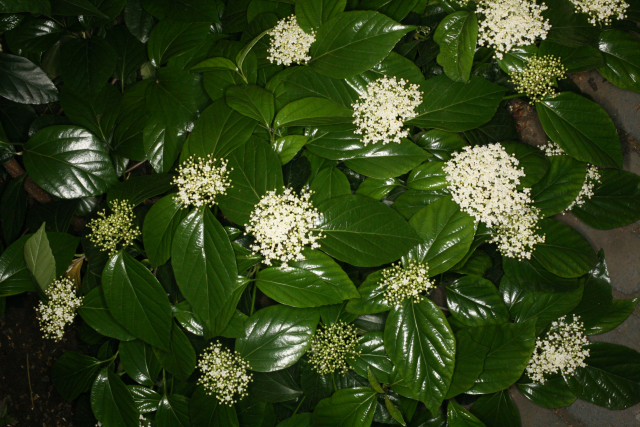
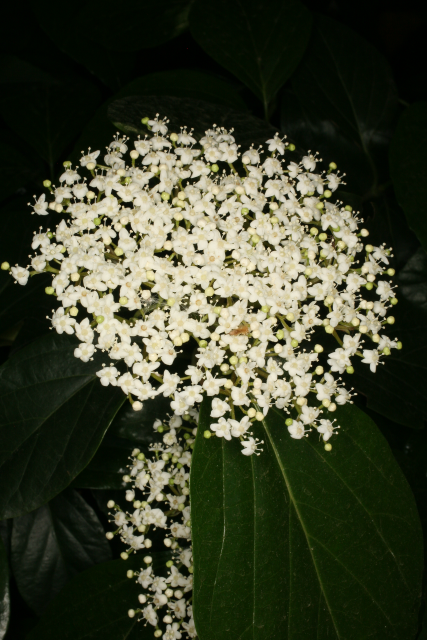
Viburnum japonicum Spreng. Caprifoliaceae Evergreen Shrub. Distribution: Japan and Taiwan. No medicinal uses. The fruit is a 'famine food' eaten when all else fails. As other seeds/fruits of Viburnum species are listed as poisonous, and none are listed as 'edible', one can assume that the seeds/fruits of V. japonicum are also toxic. It does not appear vulnerable to pests or molluscs which may be due to irioid glycosides that are present in this genus produced as a defence against herbivores, fungi and bacteria. They have a bitter taste.
Oakeley, Dr. Henry F. (2013). Wellcome Library notes. Link
It does not appear vulnerable to pests or molluscs which may be due to irioid glycosides that are present in this genus produced as a defence against herbivores, fungi and bacteria. They have a bitter taste.
Oakeley, Dr. Henry F. (2013). Wellcome Library notes. Link
Family changed from Adoxaceae to Viburnaceae
Plants of the World online, Kew Science http://plantsoftheworldonline.org/taxon/urn:lsid:ipni.org:names:77162522-1 Link
Contains irioid alkaloids that may make it poisonous to insects and molluscs
Professor Anthony Dayan, 2022
The following notes refer to the related species Viburnum prunifolium L. Medicinal uses Uses supported by clinical data No information was found.Orally for the treatment of dysmenorrhoea and asthma (1, 10, 11). Uses described in traditional medicine Used to treat menstrual irregularities and nervous tension. Also used as an antispasmodic, diuretic and tonic (5). Contraindications Cortex Viburni Prunifolii is contraindicated in cases of hypersensitivity or allergy to the crude drug.
From WHO Monographs on Selected Medicinal Plants Vol 4 2005, WHO Geneva
Asia-Temperate, Eastern Asia, Japan
Asia-Temperate, Eastern Asia, Taiwan