 Back to List
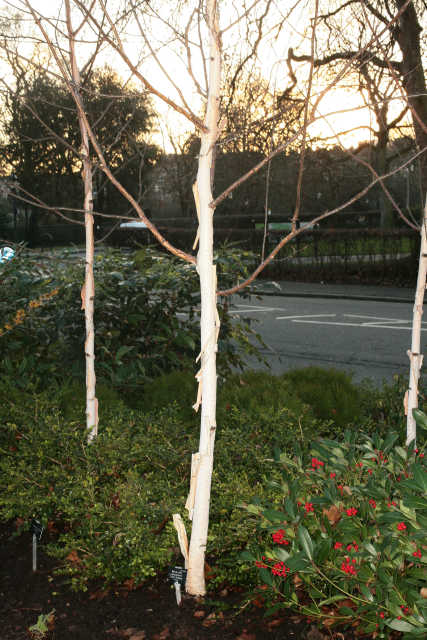
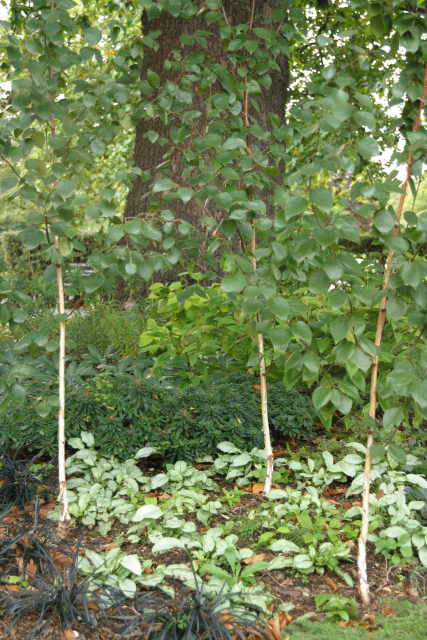
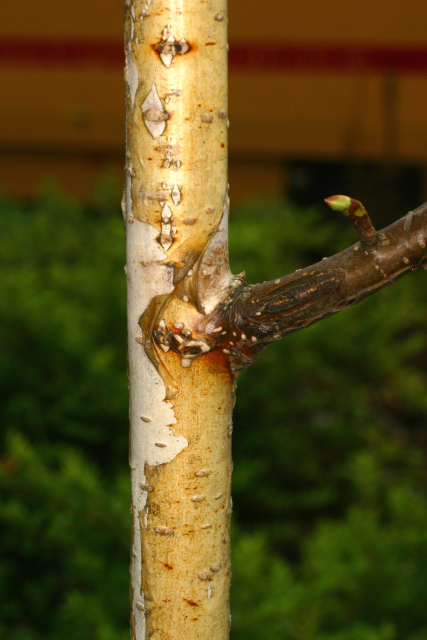
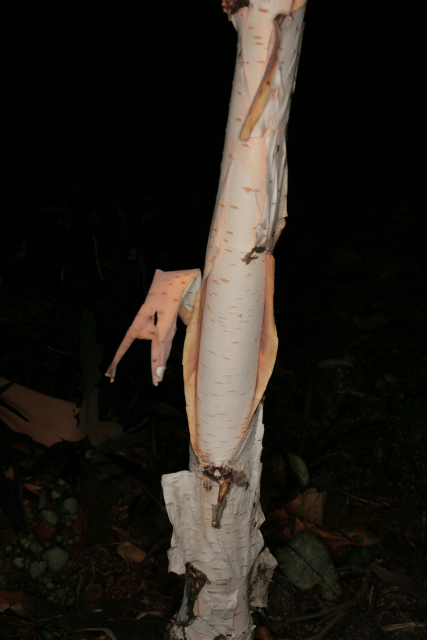
Victor Jacquemont (1801-1832) was a French botanist and geologist. Born in Paris on August 8, 1801, Victor Jacquemont was the youngest of four sons of Venceslas Jacquemont and Rose Laisné. Jacquemont traveled to India in 1828, and remained there for the rest of his life. He visited Amber in Rajputana, met with the Sikh Emperor Ranjit Singh at his capital of Lahore, and visited the kingdom of Ladakh in the Himalaya. He also visited Bardhaman (Burdwan) in Bengal in November 1829. He died of disease in Bombay on December 7, 1832. Several plants are named for him, including Acacia jacquemontii, the Himalayan White Birch (Betula jacquemontii), the Indian Tree Hazel (Corylus jacquemontii), Afghan Cherry (Prunus jacquemontii), and the cobra lily or Jack in the pulpit (Arisaema jacquemontii).
wikipedia December 2013
Extracts of Betula utilis have long been used in Ayuverdic medicine against cancer and other diseases. None has been officially registered in Europe as a herbal medicine. Preparations from other species are used in cosmetics.
Professor Anthony Dayan, 2017
In the past decade beta-sitosterol, which occurs naturally in many plants, has been developed as an approved additive to many foods, including certain margarines and yoghurts, because it reduces the blood cholesterol and its ‘bad’ form, LDL, which are associated with the development of atheromatous plaques. Much beta-sitosterol, a plant stanol, is obtained from waste wood a by-product of the paper and other timber industries in Finland and other countries. The commonest sources are varieties of Birch and Pine trees. Many other health claims have been made for beta-sitosterol but none has been substantiated.
Forchem- Green gold from tall oil https://www.forchem.com/news/archive/2005/world_class_sterol_facility_to_rauma.149.news
Previously known as Betula utilis var. jacquemontii 'Silver Shadow'
Asia-Tropical, Indian Subcontinent, India
Asia-Tropical, Indian Subcontinent, Nepal