 Back to List
Neurotoxic.
Toxicity 1a: extremely hazardous. Aconitine activates Na+ channels and is thus a strong nerve and muscle poison, causes numbness, causes paralysis.
Wink, M. (2009). Mode of Action and toxicology of plant toxins and poisonous plants. Mitt. Julius Kuhn-Inst. 421:93-111.
Ancient Greeks used this in cases of senility to enforce euthanasia.
“Aconitum and Napellus, Wolfsbane, Monkshood ... These plants are hot and dry in the fourth degree, and of a most venomous quality”.
Gerard, John. (1975). The Herball or General History of Plants, Dover Publications Inc.. Johnson, Thomas. Facsimile 1633 ed
Was used in conventional medicine as a local anaesthetic; in homeopathy to treat fevers, neuralgia and certain heart conditions. In Chinese medicine for heart disease and treatment of uterine cancer.
Podlech, D. (1996). Herbs & Healing Plants of Britain & Europe, Collins p.8
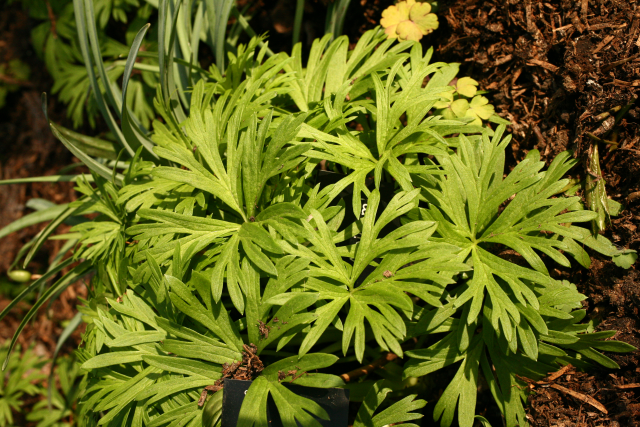
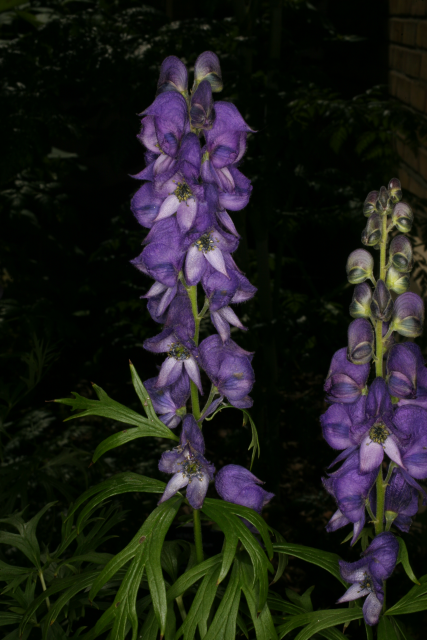
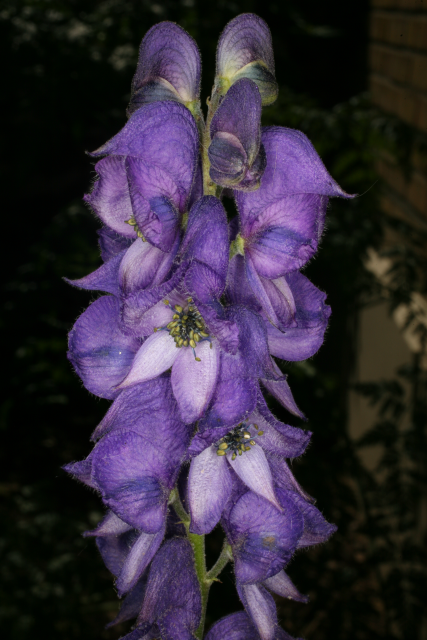
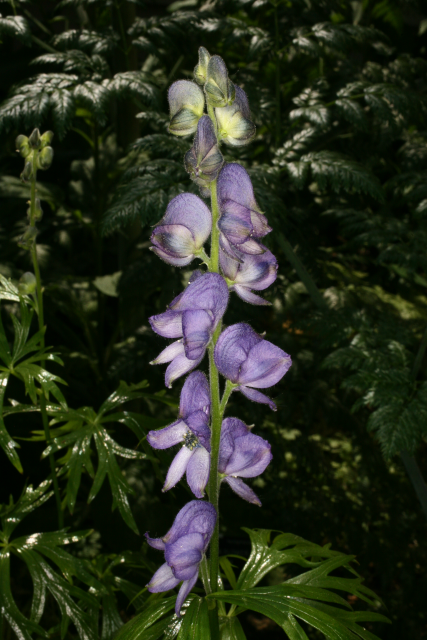
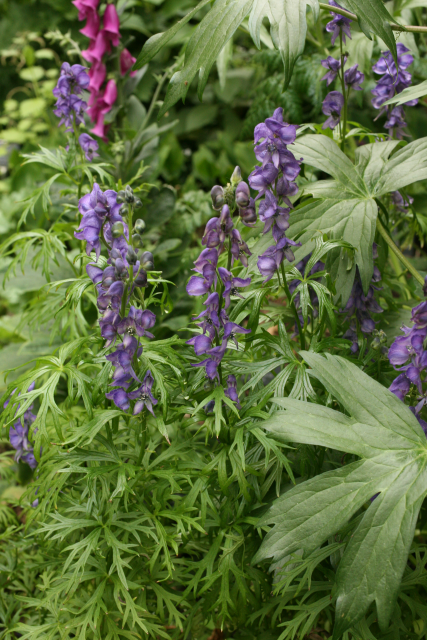
Notes re Lindley's 'Flora Medica' 1838: We grow the Chinese Monkshood, Aconitum carmichaelii, which produces its dark blue flowers in the autumn under the plane trees at the front of the College. Both this and its European counterpart, Aconitum napellus, were well known as poisonous plants to the physicians of the early 19th century. Lindley describes how three out of five people who drank an alcoholic infusion of A. napellus, having mistaken it for lovage (Levisticum officinale) which is still used in soups and salads, died within three hours of ‘vomiting, purging, burning in the throat, colic and swelling in the belly’. Nevertheless, physicians used the leaves for almost everything, including ‘paralysis, epilepsy, rheumatic and neuralgic pains, dropsy, uterine complaints, intermittent fevers’ followed by an ominous ‘etc., etc.’. The leaves are certainly less dangerous than the roots, but best avoided even so. Members of this genus all produce highly toxic alkaloids (principally aconitines – those from Japanese species are the most poisonous), extracted from the roots. Aconitum carmichaelii is one of the five aconites used in China as an arrow poison (J Ethnopharmacol. 1981, 4(3): 247-336). Ingested it causes numbness, cardiac arrhythmias and respiratory arrest; the neurological effects being excitement, generalised paraesthesia, bulbar palsy with dysarthria (slurred speech), convulsions and coma. The toxins can be absorbed through the skin from prolonged contact with the leaves and there is no antidote. It is no longer used in pharmacy. Links: http://www.inchem.org/documents/pims/plant/aconitum.htm
Lindley, John. (1838). Flora Medica, Longman, Orme, Brown, Green & Longmans
Banned substance in Herbal medicine
Note by HenryOakeley
Active ingredients: Aconitin and smilar alkaloids.
Podlech, D. (1996). Herbs & Healing Plants of Britain & Europe, Collins p.8
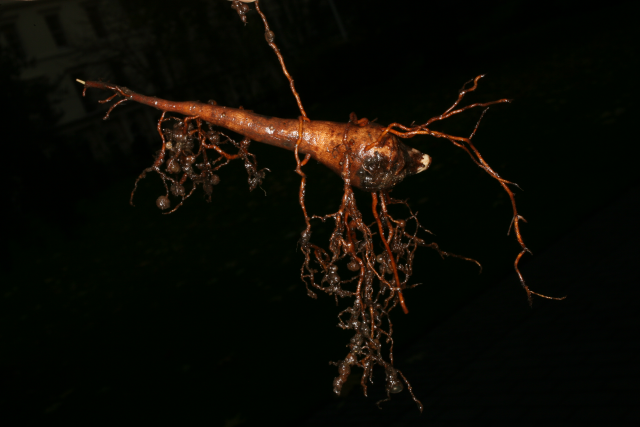
All parts especially tubers: aconitine, mesaconitine, lycoctonine and other terpene alkaloids (up to 2% in tubers).
Wink, M. (2009). Mode of Action and toxicology of plant toxins and poisonous plants. Mitt. Julius Kuhn-Inst. 421:93-111.
Europe, Northern Europe, Great Britain
Europe, Middle Europe, Czech Republic
Europe, Middle Europe, Austria
Europe, Middle Europe, Belgium
Europe, Middle Europe, Germany
Europe, Middle Europe, Poland
Europe, Southwestern Europe, Spain
Europe, Middle Europe, Switzerland
Europe, Eastern Europe, Central European Russia
Europe, Southeastern Europe, Yugoslavia
Europe, Southeastern Europe, Italy
Europe, Southeastern Europe, Romania
Europe, Southwestern Europe, France