
 Back to List
Contains 8-methoxy-psoralen, a furocoumarin, which is genotoxic and possibly carcinogenic. Produced adenomas and adenocarcinomas of the kidney, and adenocarcinomas of the Zymbal gland.
van den Berg, S.J.P.L., Restani, et al., P.. (2011). Levels of Genotoxic and Carcinogenic Compounds in Plant Food Supplements and Associated Risk Assessment. Food and Nutrition Science 2: 989-1010. Link
Source of Vitamin C.
probably C. aurantifolia × probably C. medica.
The Royal Horticultural Society Horticultural Database, available at www.rhs.org.uk
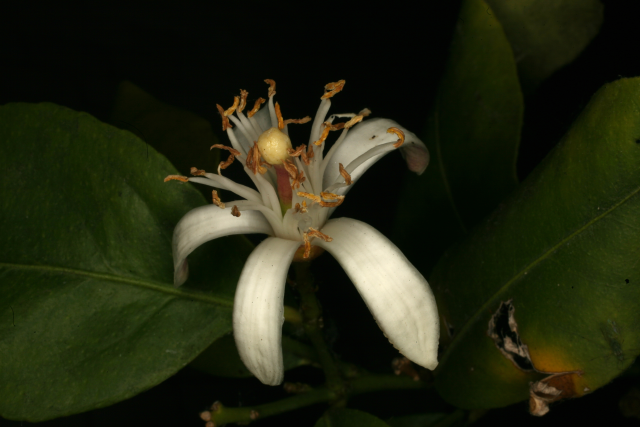
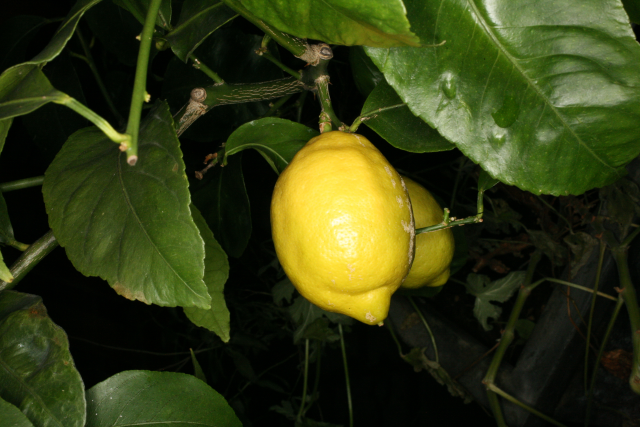
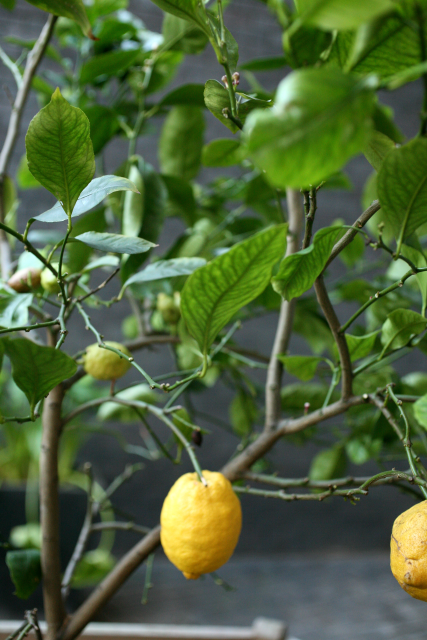
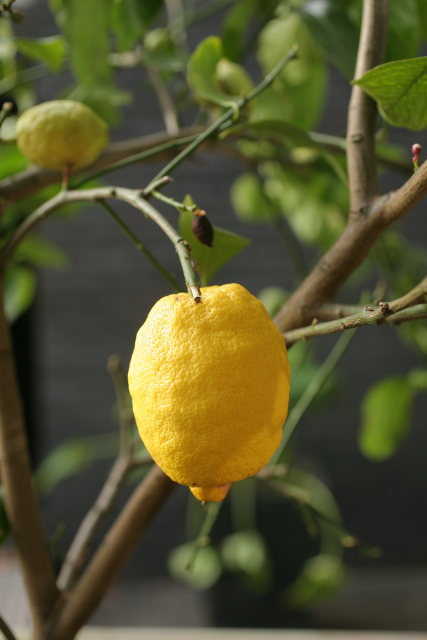
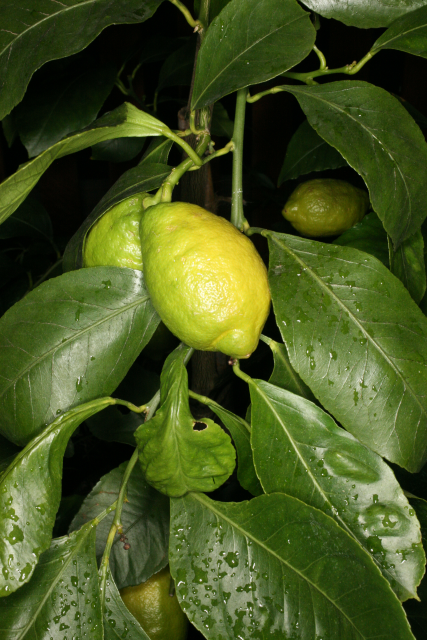
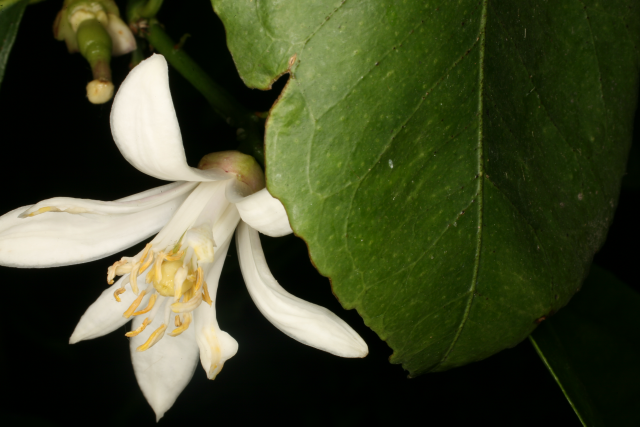
Citrus x limon. Extensive genetic studies have shown that it is a natural hybrid between the citron, Citrus medica and the bitter orange, Citrus x aurantium. The latter is a hybrid between the pomelo, Citrus maxima, and the mandarin, Citrus reticulata. The mitochondrial DNA and chloroplast DNA of the bitter orange, Citrus x aurantium, is exactly the same as that in lemons, proving that the bitter orange is the maternal parent of the lemon. 50% of the nuclear DNA of Citrus medica is present in the nuclear genomic DNA of lemons, showing it is the male (pollen) parent. See: https://www.sciencedaily.com/releases/2011/01/110118101600.htm and http://journal.ashspublications.org/content/126/2/210.full.pdf
http://journal.ashspublications.org/content/126/2/210.full.pdf
In 19th century works, Citrus limon was called Citrus medica (q.v.), although the illustrations are clearly of what we now know as Citrus x limon, with C. Limon recognised as a synonym.
Woodville, William.(1793) Medical Botany. Vol. 3, London, James Phillips p. 500
Lemon juice was first recommended for treating sailors with scurvy by J. Woodall in his book 'The Surgions Mate' [sic] published in 1617. It was recommended by John Parkinson in his 'Theatrum Botanicum' (1640), and a successful trial (1747) by Dr James Lind with lemons and oranges, published in his 'A Treatise of the Scurvy' (1753) should have settled the matter. William Woodville's 'Medical Botany' (1793) says it is widely used by sailors to treat scurvy. However, it was not settled until Dr Gilbert Blane published the second edition of his book 'On the most effective means for preserving the health of seamen, particularly in the Royal Navy' (1797); that the Royal Navy adopted lemons to prevent scurvy. The greater availability of Limes from the British Caribbean plantations (rather than relying upon Italian or Spanish lemons) resulted in these being introduced instead. The 'New Edinburgh Dispensatory' by Andrew Duncan (1819) makes no mention of lemons being used for scurvy so 200 years after Woodall, general knowledge of lemons being of use in scurvy had still not been widely accepted.
Woodall, J. (1617) 'A Surgions' Mate' London, Edward Griffin. https://archive.org/details/surgionsmateortr00wood
.JPG)


