 Back to List
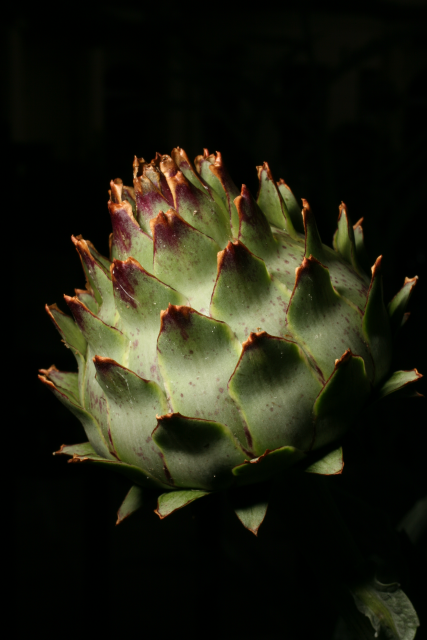
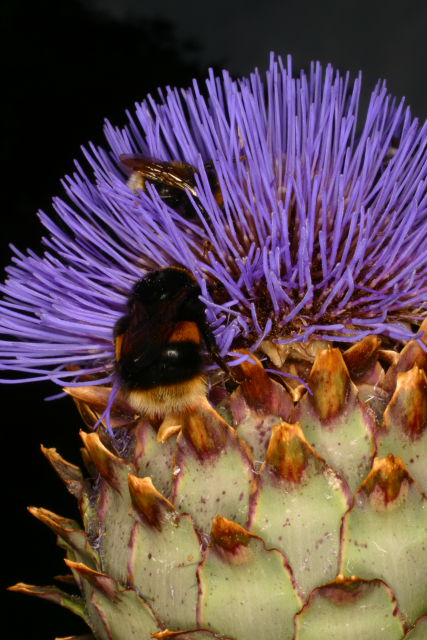
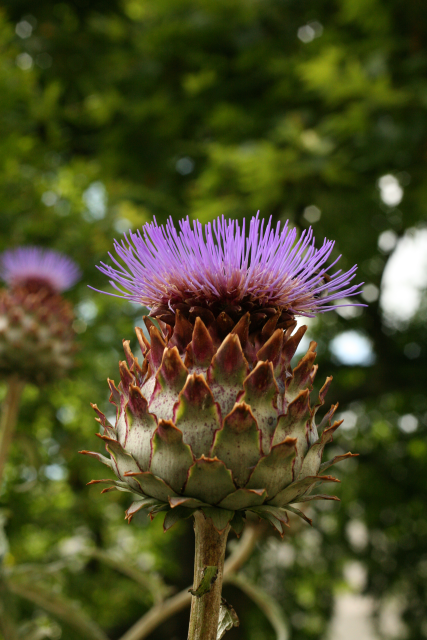
Cynara cardunculus L. Asteraceae. Cardoon, Globe Artichoke, Artechokes, Scolymos cinara, Cynara, Cinara. Distribution: Southern Europe and North Africa. Lyte (1576) writes that Dodoens (1552) could find no medical use for them and Galen (c.200 AD) said they were indigestible unless cooked. However, he relates that other authors recommend that if the flower heads are soaked in strong wine, they 'provoke urine and stir up lust in the body.' More prosaically, the roots boiled in wine and drunk it cause the urine to be 'stinking' and so cures smelly armpits. He adds that it strengthens the stomach so causing women to conceive Male children. He goes on to say that the young shoots boiled in broth also stir up lust in men and women, and more besides. Lyte (1576) was translating, I think with elaborations, from the chapter on Scolymos cinara, Artichaut, in Dodoen's Croydeboeck (1552) as L'Ecluse's French translation, Dodoens Histoire des Plantes (1575) does not mention these latter uses, but Dodoen's own Latin translation, the Pemptades (1583), and Gerard's Herbal (1633) both do so. It is useful in understanding the history of these translations to realise that Gerard uses, almost verbatim, the translation of the 'smelly armpit' paragraph from Lyte.
Oakeley, Dr. Henry F. (2013). Wellcome Library notes. Link
Medicinal uses Uses supported by clinical data Treatment of digestive complaints (e.g. dyspepsia, feeling of fullness, flatulence, nausea, stomach ache and vomiting) (15, 22, 23). Adjunct treatment of mild to moderate hypercholesterolaemia (22, 24–27). Uses described in pharmacopoeias and well established documents Orally for the treatment of atherosclerosis and kidney dysfunctions (diuretic) (5). One study has indicated that the crude drug may be of benefit for the treatment of irritable bowel syndrome (28), but further randomized controlled clinical trials are needed before any therapeutic recommendations can be made. Uses described in traditional medicine Oral treatment of anaemia, diabetes, fever, gout, rheumatism and urinary stones (7, 9, 29).
From WHO Monographs on Selected Medicinal Plants Vol 4 2005, WHO Geneva
also called Cardoon, Globe artichoke
Africa, Macaronesia, Canary Is.
Africa, Northern Africa, Algeria
Africa, Northern Africa, Libya
Africa, Northern Africa, Morocco
Africa, Northern Africa, Tunisia
Europe, Southeastern Europe, Albania
Europe, Southeastern Europe, Greece
Europe, Southeastern Europe, Italy
Europe, Southwestern Europe, France
Europe, Southwestern Europe, Portugal
Europe, Southwestern Europe, Spain
.JPG)
.JPG)
.JPG)
.JPG)