 Back to List
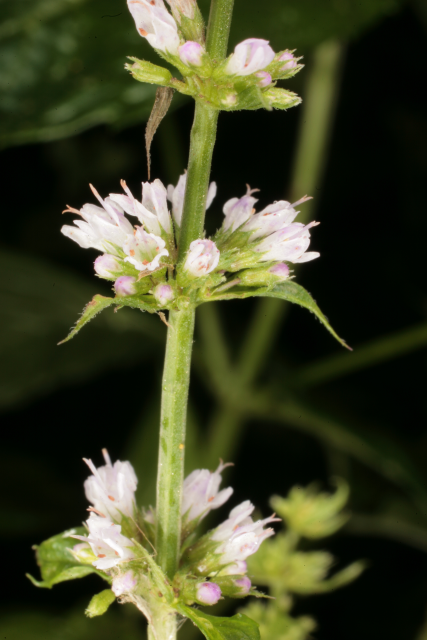
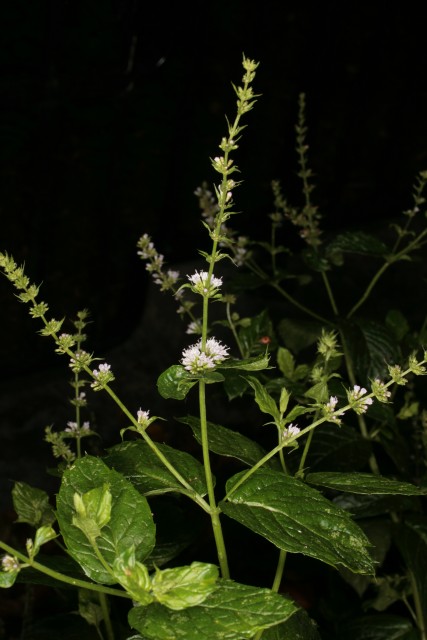
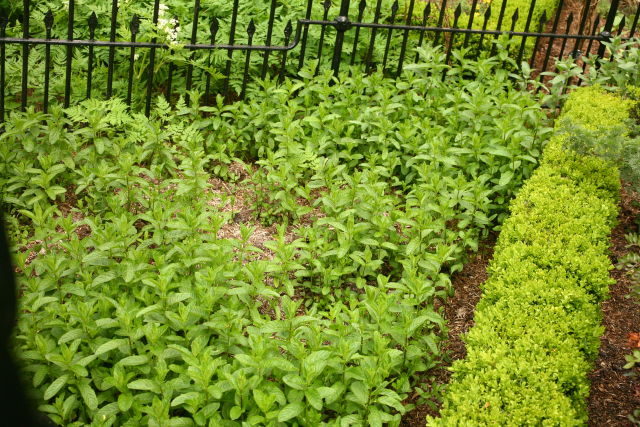
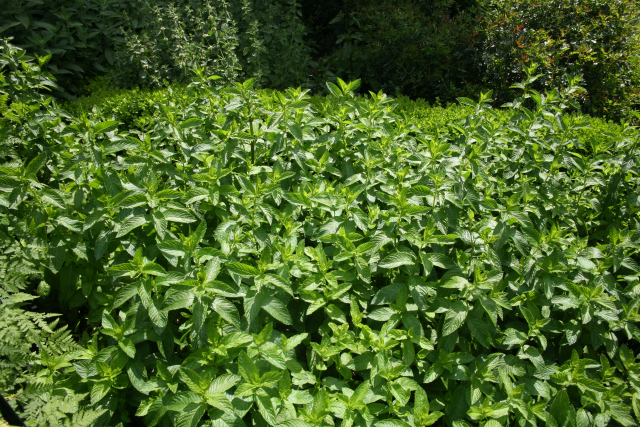
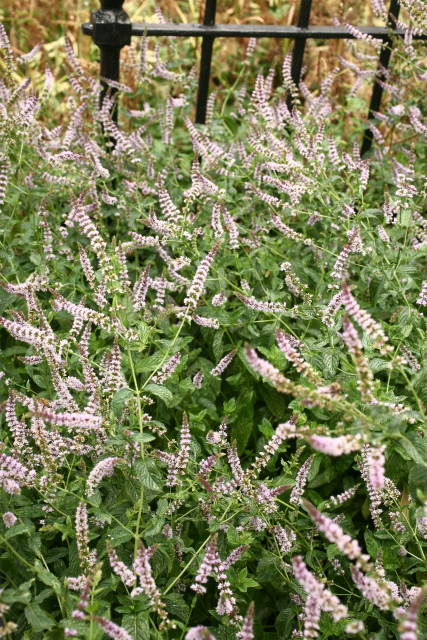
Culpeper: ‘Mentha sativa. Garden Mints, Spear mints. ... are wholesome for the stomach, stay vomiting, stop the terms, help sore heads in children, strengthen the stomach, cause digestion; outwardly applied, they help the bitings of mad dogs: yet they hinder conception, and are naught for wounded people, they say by reason of an antipathy between them and Iron.’
Culpeper, Nicholas. (1650). A Physical Directory . London, Peter Cole.
The phytochemistry, therapeutic claims as a herbal medicine and food use over many centuries are reviewed by Mahendran et al. 2022.
The traditional uses, phytochemistry and pharmacology of spearmint (Mentha spicata L.): A review. J Ethnopharmacol. 278, 114266.
Notes: The leaves, and spearmint oil, may cause contact dermatitis, but this must be rare. Still very popular in cooking. Pliny recommended mint for stomach problems.
Oakeley, Dr. H. F. . (2013). The Gardens of the Pharmacopoeia Londinensis. Link
Notes: Menthe was the mistress of Hades, god of the Underworld, and was trampled underfoot by Persephone, his Queen. As a result Menthe was changed into this herb, which smells sweetly when trodden on (Jashemski).
Jashemski, W F . (1999). A Pompeian Herbal, Ancient and Modern Medicinal Plants. University of Texas Press.