 Back to List
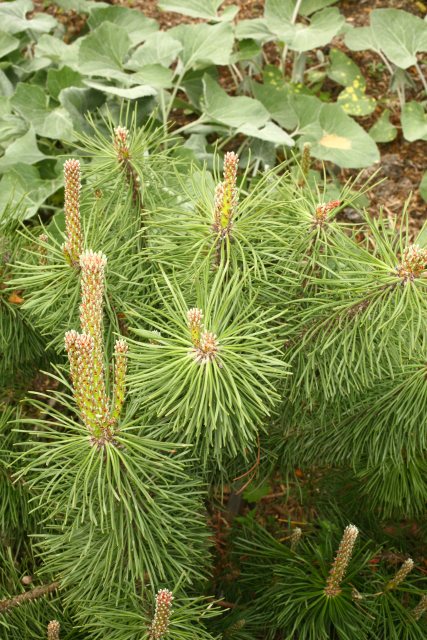
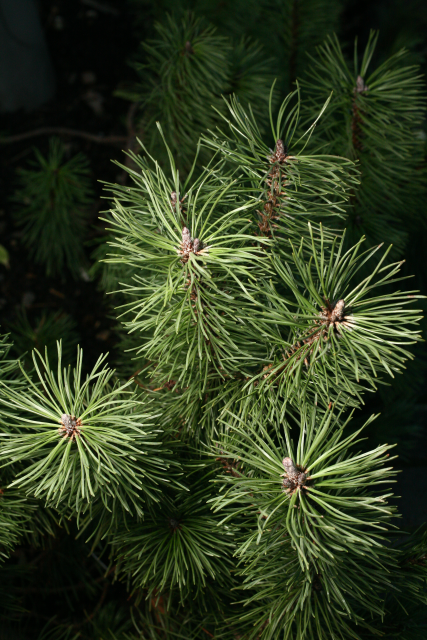
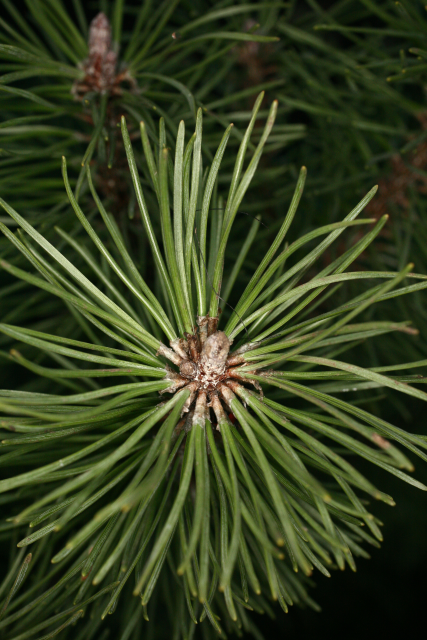
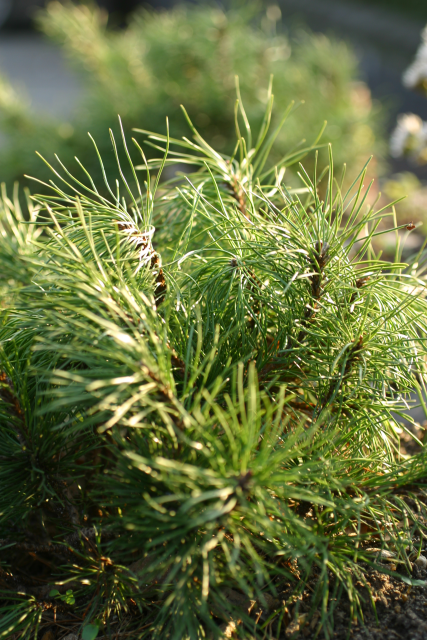
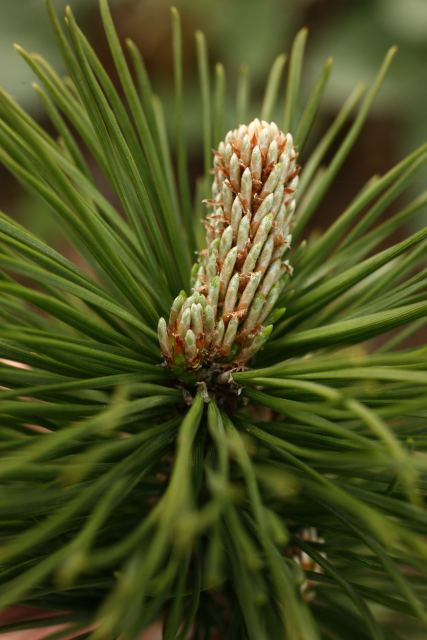
Pinus mugo Turra, Pinaceae Mountain pine. Distribution: Mountain regions in south and central Europe. Source of pine cone syrup used in cooking. Pine trees in general have a small edible pine nut in the pine cone, which Lyte (1578) writes are 'good for the lungs, they cleanse the breast, and cause the fleme to be spit out: also they nourish well and engender good blood, and for this cause they are good for such as have the cough.' He wrote that it was used for burns, wounds, dysentery, and as a diuretic. Quincy says of fir (Pinus) cones that they strengthen the genital parts, and increase the quantity of seed, or increase Desire without adding to Ability or Performance.
Oakeley, Dr. Henry F. (2013). Wellcome Library notes. Link
In the past decade beta-sitosterol, which occurs naturally in many plants, has been developed as an approved additive to many foods, including certain margarines and yoghurts, because it reduces the blood cholesterol and its ‘bad’ form, LDL, which are associated with the development of atheromatous plaques. Much beta-sitosterol, a plant stanol, is obtained from waste wood a by-product of the paper and other timber industries in Finland and other countries. The commonest sources are varieties of Birch and Pine trees. Many other health claims have been made for beta-sitosterol but none has been substantiated.
Forchem- Green gold from tall oil https://www.forchem.com/news/archive/2005/world_class_sterol_facility_to_rauma.149.news
Europe, Eastern Europe, Ukraine
Europe, Middle Europe, Austria
Europe, Middle Europe, Germany
Europe, Middle Europe, Hungary
Europe, Middle Europe, Poland
Europe, Middle Europe, Slovakia
Europe, Middle Europe, Switzerland
Europe, Southeastern Europe, Albania
Europe, Southeastern Europe, Bosnia and Herzegovina
Europe, Southeastern Europe, Bulgaria
Europe, Southeastern Europe, Czech Republic
Europe, Southeastern Europe, Italy
Europe, Southeastern Europe, Romania
Europe, Southeastern Europe, Yugoslavia
Europe, Southwestern Europe, France
.JPG)