 Back to List
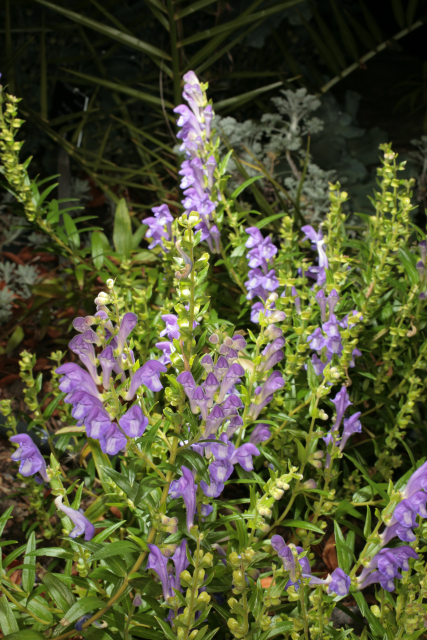
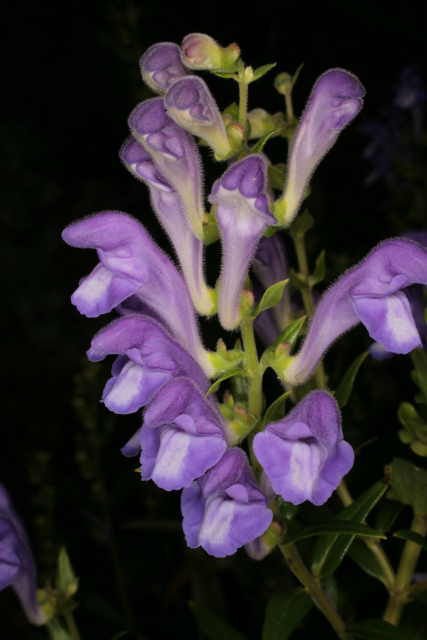
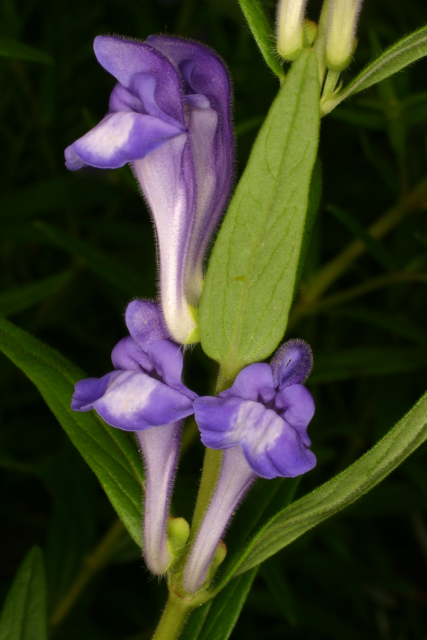
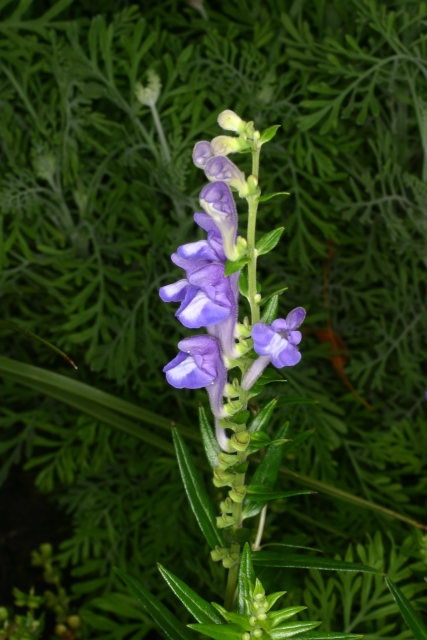
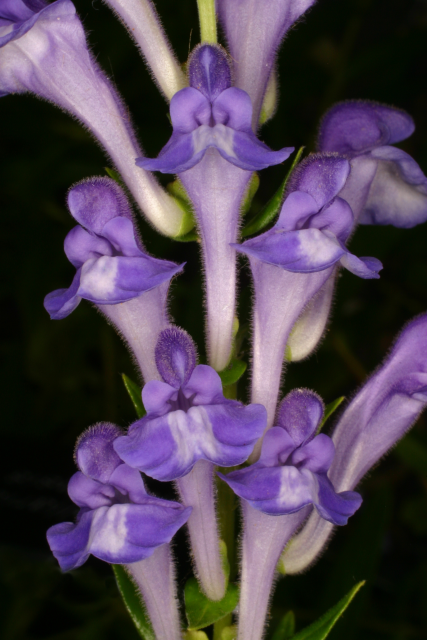
Scutellaria baicalensis Georgi Lamiaceae. Baikal skullcap. Distribution: China. There are several hundred species of Scutellaria, also known as skull caps, so correct identification is important - in particular from Scutellaria lateriflora an American species known as Blue skullcap. The latter is used as an abortifacient and to expel placenta by the Cherokee and for cleaning the throat by the Iroquois (Austin, 2004). Much vaunted as a treatment for rabies with unlikely statistics (1,400 cases cured by one doctor alone). Also as ‘antispasmodic, nervine, [for] chorea, convulsions, tetanus, tremors, delirium tremens, [and as a] diaphoretic and diuretic'. Toxicity symptoms include mental confusion, stupor, headache, vertigo, photophobia, dilated pupils, difficulty in micturition, bradycardia, tremulousness and languor, followed by wakefulness and restlessness (Milspaugh, 1974). Hutchens (1991) reported that it reduces sexual desire and was used for almost every nervous illness. Scutellaria baicalensis contains baicalin, baicalein and wogonin (European Medicines Agency, September 2010). It is used in Traditional Chinese Medicine for treating inflammation, cancer, bacterial and viral infections of the lungs and gut and is one of the '50 Chinese herbs' in the lists of some authors. Scutellaria lateriflora (combined with Verbena officinalis, Passiflora incarnata and the seed of Avena sativa (oats) is licensed for use in Britain as a herbal medicine for temporary relief of mild symptoms of stress such as mild anxiety and to aid sleep, based upon traditional use only. Scutellaria baicalensis is not licensed for use in the UK (UK Medicines and Healthcare Products Regulatory Agency (MHRA)).
Oakeley, Dr. Henry F. (2013). Wellcome Library notes. Link
In traditional herbal medicine: Baikal skullcap is commonly used in Chinese herbalism, where it is considered to be one of the 50 fundamental herbs and is used primarily in treating "hot and damp" conditions such as dysentery and diarrhoea[218, 254]. It has been used medicinally for over 2,000 years and recent research has found that the roots contain flavonoids that greatly enhance liver function and also have anti-inflammatory and antiallergenic effects[238].
http://www.pfaf.org, https://pfaf.org/user/Plant.aspx?LatinName=Scutellaria+baicalensis
Asia-Temperate, China
Asia-Temperate, Mongolia
Asia-Temperate, Russian Far East
Asia-Temperate, Siberia